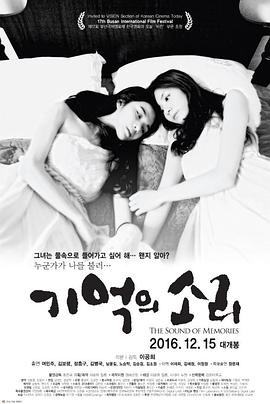
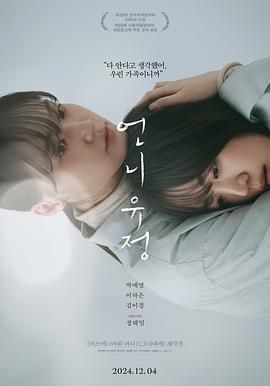
The memories of the title are the recollections of a young woman’s older sister that killed herself mysteriously. The subtle traces of abstractness that inform the film show signs of experimentation by the film’s rookie director, full of dramatic careers in her middle-50s making her feature debut.
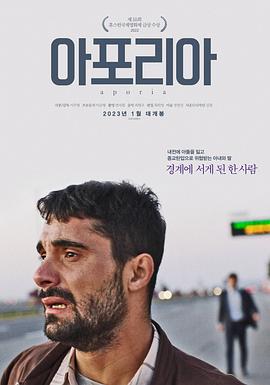
On February 2013, Haleem, born in Aleppo, Syria, plans to escape the civil war and go to Germany, where his sister lives, and later invite his family after being granted refugee status. During the transit in Korea, he is caught with a fake passport and denied entry. He is later sent to Turkey where he is denied entry again, ending up back in Korea. After staying in the deportation room in the Korean airport, he is sent to stay at a foreign shelter, when one day he hears of his son's death and goes into a violent rage, unable to handle the sad news. The lawyer in charge of his case continues to challenge his detention, and the Korean Ministry of Justice ends up canceling his Emergency Protective Order without notifying him. Haleem, who unintentionally stepped into unfamiliar Korean soil, finds himself working illegally at a construction site, where he meets Riyadh, an unregistered Arab resident. They comfort each other's pain and develop a father and son relationship. Haleem, who had saved money to bring in his family to Korea, spent all his hard- earned money paying off Riyadh's father's debts. With the help of Youssef, a Christian Arab, Haleem gets a job at a junkyard and a place to stay. But Riyadh gets into a serious accident and is pronounced brain dead after he is chased by immigration officers. The church elders and ministers plot to use Riyadh's organs for their church main elder's transplant surgery. They try to persuade Haleem to concede by telling him that the church can bring his wife and daughter from the Turkish refugee camp to Korea along with their missionary group. Haleem falls into a religious conflict and moral dilemma, leading other Arabs around him to misunderstand him. A story about a person stuck in the midst of cultural, religious, ethnic, and national conflict.
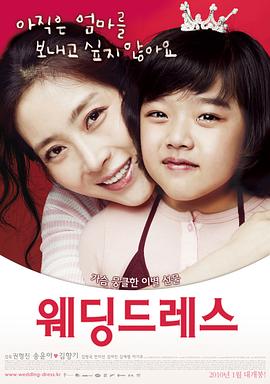
本片讲述一段感人至深的母女情:单亲妈妈高云(宋允儿 饰)带着女儿素雅(金香奇 饰)一起生活。身为婚纱设计师的她忙于事业,疏于对素雅的照顾。所以素雅一方面性格独立,但另一方面却相当不合群甚至稍显乖戾。 高云在查出绝症之后,抓紧所剩不多的时间为素雅打算。她为了弥补素雅,不仅对其有求必应 ,而且主动通宵为准备郊游的素雅学做紫菜包饭。她为了改善素雅的人际关系,为其举办生日聚会,但素雅连一位朋友也没请来。 起初,倔强的素雅并不了解高云的良苦用心。但是在觉察到高云的病情之后,她好像一下子懂事了。年幼的她不仅要装作完全不知道高云命不久矣的事情,而且还想方设法地完成高云的所有愿望…… 韩国首屈一指的“国民娃娃”金香奇出演本片女儿少拉这一角色。
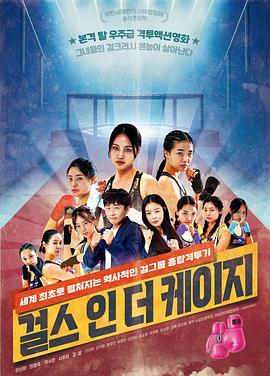
Attention seeker YouTuber Jang Ha-Da is trying to get popular again. One day, legendary singer Yoon Si-Nae disappears. So, Jang Ha-Da uses her mother, an imitation singer Yoon Si-Nae, as a live broadcasting material and gets enthusiastic responses from subscribers. Meanwhile, Yoon Si-Nae, who is despairing after losing the dream stage, decides to leave in search of Yoon Si-Nae with fellow imitation singer Un Si-Nae. And Jang Ha-Da secretly set up a live broadcast.
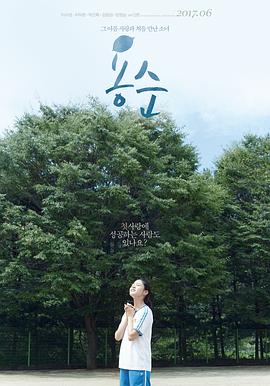
"因为我喜欢你" 18岁的龙顺,与负责田径队的体育老师陷入爱河,但体育老师好像有了别的女人。虽然联合妈妈般的好友文熙,和冤家般的好友傻奎一起进行调查,但实在是找不到任何头绪。雪上加霜的是,爸爸为没有妈妈的女儿,带来了一个从蒙古来的后妈。格外炎热且非同一般的那年夏天,第一次遇见爱情的少女,龙顺。
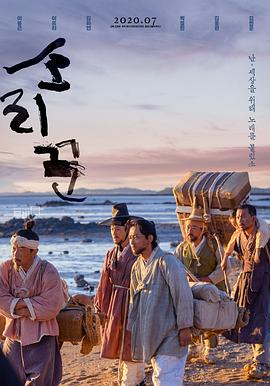
该片以朝_鲜时代的板索里为背景,讲述了当时贱民地位的歌者漂泊于朝鲜八道的同时历经悲伤与痛苦的故事。
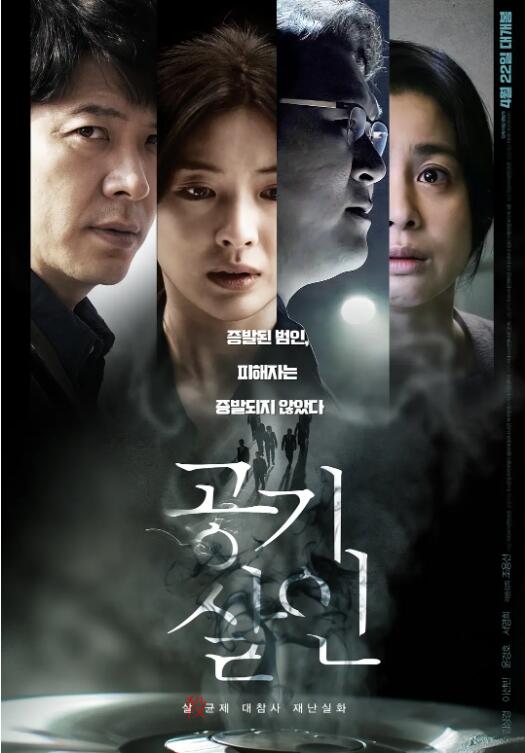
该片改编自同名小说,素材取自于2011年发生的加湿器杀菌剂事件,通过这个事件来讲述有些事情必须有人去做,还没有结束的我们所有人的故事。金相庆饰演因不明的肺部疾病而失去了妻子,儿子的生命也受到威胁的外科医生“郑泰浩”,徐英姬饰演他的妻子“韩吉珠”,李先彬饰演曾经在地方检察院担任检察官,但因为姐姐吉珠的死亡成为律师的“韩英珠”,尹京浩饰演加湿器杀菌剂制药公司的科长“徐宇植”。
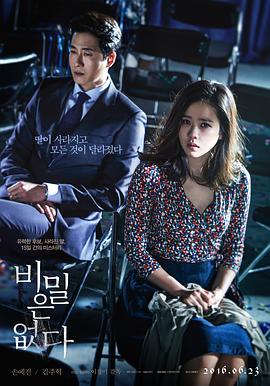
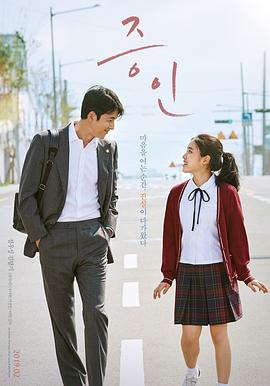
该片围绕负责杀人案件的律师(郑雨盛饰)及患有自闭症的证人(金香起饰)之间的故事展开。
同性恋人恩秀和艺媛幸福地生活在一起。某天,恩秀出了严重的车祸,她的妹妹恩惠因此去世。恩秀妹妹的女儿秀敏变成了孤儿。恩秀和艺媛面临领养秀敏的处境中。《常春藤》是一部让人思考家庭的真正意义的电影。 在车祸后,艺媛说,“我们不是一个家吗?家人之间怎么会因为车祸而抛弃彼此?”恩秀回答说,“家庭?谁认为我们是一个家庭?”三个女性如艺媛希望的那样生活在一起,一起经历着日常。但是,社会的成见阻止她们组成一个家庭。 这部电影真正的美在于结局。就像도종환的诗作《常春藤》一样,没有幸福或悲伤的结局,即使走了弯路,也一直在缓慢地选择幸福的道路而不会着急。