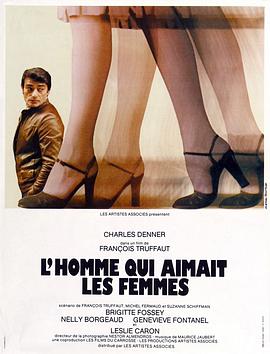
痴男怨女1977
18
2.0
HD
痴男怨女1977
2.0
更新时间:2025年11月21日
主演:查尔斯·登纳,布丽吉特·佛西,内莉·博尔若,热蕾耶·丰塔内拉,莱斯莉·卡伦,纳塔莉·贝伊,让·达斯特
简介:

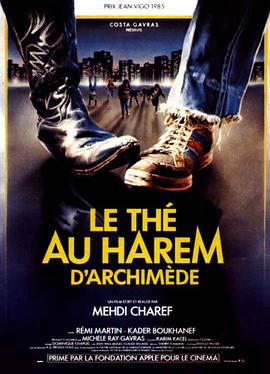
  一双又一双女人的腿,从墓地上走过,他们纤细、美丽而动人,散发着芳香、温柔和女性特有的娇柔。一个男人的葬礼竟能吸引这么多女人的到来,那么他究竟是怎样的一个男人呢?新浪潮大师特吕弗的《痴男怨女》带我们走进一个偏执的男人的世界。
  
  这是一个关于爱的故事,也是一个关于征服的故事,又或者是一个关于男人嗜好的故事。莫伦是一个接近中年单身男子,在他平常的外表下隐藏着一颗对女性博爱的心。无论老少,他都会尽自己的一切能力去关心,他对女人的偏爱由他们的玉腿而起,当他看到令他动心的女子时,他会不顾一切地去追求,而最终他因为追逐一双美丽的玉腿而命丧轮下。
  
  影片在莫伦追逐第一双玉腿的时候已经为我们展现出这个浪漫故事的构架。莫伦在一家小店里被一双女人的玉腿吸引着,他在匆忙中只记下了那个女人的车牌号,通过一起伪造的交通事故,他要求警方为他找到车主。然而警方告诉他,该车是从德国租来的,根据条例是不能公布车主地址,莫伦以自己的魅力征服了一个女警察,从她那里得到了车主的地址,然后又大胆地在电话中告诉车主,他为了她已经远涉重洋,而那位漂亮的女人也因他的神秘和执著而感动,如期赴约。莫伦对女性有着特有的敏感和细致入微的那种关怀,而这正是许多男性身上所不具有的,莫伦是一个懂女人的人,而他超越常规的那种偏执更是对女人有着十二分的吸引力。对于他来说,所有他追逐过的女人他都是真心爱着的,这种爱不同于夫妻之爱,或许是一种对女性本身的爱,对女性美的热爱。也正因为莫伦懂得欣赏女性的美丽,才使他能在女人的国度里游刃有余。他将自己所有的故事以回忆录的形式写成书稿,一个女儿国的故事,即单纯又富有传奇色彩。莫伦以自己的一生来完成对女性的热爱,而在这背后隐隐透射出男女两性的个体差异。
  
  在爱着莫伦的每一个女人的背后,都是一段浪漫而富有刺激的故事。莫伦对女性的征服并不是单纯的通过肉体来实现,或者说与女人睡觉只不过是证明自己征服对方的途径,在他身上他更注重的是对女性心灵征服的过程,他迷恋于给女性激情,意外的惊喜,不确定的飘忽的浪漫,或许这也正符合了女性对感情的飘渺的追逐感。男性与女性,从诞生之初就互相厌恶又互相吸引。从本质上说,男人更注重生理的快感,但这并不代表男人不注重感情。“当你只想和一个女人肩并肩睡觉,想和她厮守一辈子而不是占有对方身体,即不是那种对女性群体的占有欲的时候,那代表你深爱着她”而对于女性来说,只有在深爱着的人面前,才会把自己展露无疑,并把自己的一切都给对方。男性在情感和欲望上的割裂与女性在这两个层次的融合恰恰是男女社会关系微妙的地方。而在思维上,男性更注重理性思考,善于冷静判断,推理,并以此作为结果陈列。女性则通常依靠自己的感觉行事,他们的感性成分具有比较大的神秘与不确定性,但或许也正式这样的差异才使男女能互相依靠、吸引。男女之间永远说不清楚,互相厌恶又互相追逐。彼此可以找出千万个错误,却是五十步笑百步”。男和女的故事永远不会结束,而那些追逐和伤痛也在一代又一代中以不同的形式演绎着。

588
1977
痴男怨女1977
主演:查尔斯·登纳,布丽吉特·佛西,内莉·博尔若,热蕾耶·丰塔内拉,莱斯莉·卡伦,纳塔莉·贝伊,让·达斯特
四重奏
321
2.0
DVD
四重奏
2.0
更新时间:2025年11月21日
主演:阿兰·贝茨,玛吉·史密斯,伊莎贝尔·阿佳妮,安东尼·希金斯
简介:

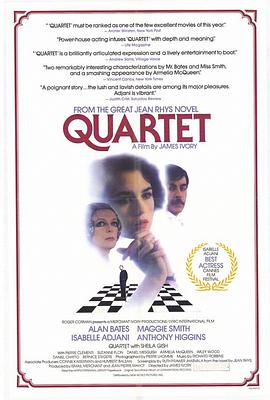
  It has been said that most great twentieth century novels include scenes in a hotel, a symptom of the vast uprooting that has occurred in the last century: James Ivory begins Quartet with a montage of the hotels of Montparnasse, a quiet prelude before our introduction to the violently lost souls who inhabit them.
  Adapted from the 1928 autobiographical novel by Jean Rhys, Quartet is the story of a love quadrangle between a complicated young West Indian woman named Marya (played by Isabelle Adjani), her husband Stefan (Anthony Higgins), a manipulative English art patron named Heidler (Alan Bates), and his painter wife Lois (Maggie Smith). The film is set in the Golden Age of Paris, Hemingway's "moveable feast" of cafe culture and extravagant nightlife, glitter and literati: yet underneath is the outline of something sinister beneath the polished brasses and brasseries.
  When Marya's husband is put in a Paris prison on charges of selling stolen art works, she is left indigent and is taken in by Heidler and his wife: the predatory Englishman (whose character Rhys bases on the novelist Ford Madox Ford) is quick to take advantage of the new living arrangement, and Marya finds herself in a stranglehold between husband and wife. Lovers alternately gravitate toward and are repelled by each other, now professing their love, now confessing their brutal indifference -- all the while keeping up appearances. The film explores the vast territory between the "nice" and the "good," between outward refinement and inner darkness: after one violent episode, Lois asks Marya not to speak of it to the Paris crowd. "Is that all you're worried about?" demands an outraged Marya. "Yes," Lois replies with icy candor, "as a matter of fact."
  Adjani won the Best Actress award at Cannes for her performances in Quartet: her Marya is a volatile compound of French schoolgirl and scorned mistress, veering between tremulous joy and hysterical outburst. Smith shines in one of her most memorable roles: she imbues Lois with a Katherine-of-Aragon impotent rage, as humiliated as she is powerless in the face of her husband's choices. Her interactions with Bates are scenes from a marriage that has moved from disillusionment to pale acceptance.
  Ruth Prawer Jhabvala and James Ivory's screenplay uses Rhys's novel as a foundation from which it constructs a world that is both true to the novel and distinctive in its own right, painting a society that has lost its inhibitions and inadvertently lost its soul. We are taken to mirrored cafes, then move through the looking glass: Marya, in one scene, is offered a job as a model and then finds herself in a sadomasochistic pornographer's studio. The film, as photographed by Pierre Lhomme, creates thoroughly cinematic moments that Rhy's novel could not have attempted: in one of the Ivory's most memorable scenes, a black American chanteuse (extraordinarily played by Armelia McQueen) entertains Parisian patrons with a big and brassy jazz song, neither subtle nor elegant. Ivory keeps the camera on the singer's act: there is something in her unguarded smile that makes the danger beneath Montparnasse manners seem more acute.

172
1981
四重奏
主演:阿兰·贝茨,玛吉·史密斯,伊莎贝尔·阿佳妮,安东尼·希金斯