1931年7月23日,由南京开往上海的京沪铁路线上的火车包厢内,坐着中华民国财长宋子文和日本驻华公使重光葵。300公里外的上海火车站北站,国民党内的“反蒋派”疏通“民国第一杀手”王亚樵,日本“魔法军人”田中隆吉勾结上海黑帮势力,即将在这里上演一幕惊天血案。枪声响起,人群惊散。然而,中弹倒地的却是另一位穿戴同款衣帽的年轻男子。原本射向宋子文和重光葵的子弹,为何最终会落到别人身上?案发前,响彻北站上空的两声神秘枪响,究竟是何人所为?错综复杂的血案背后,究竟有何玄机呢?
电影将以上世纪1950和1980年代的双时间轴呈现,故事以张云林(张艾嘉饰)为核心开始,观众将看到以倒叙手法回忆1950年代年轻的张云林(李心洁饰)在二次世界大战后的生活。妹妹张云红(林宣妤饰)的过世使张云林陷入罪恶感之中,此时,她也遇见了日本籍园艺师中村有朋(阿部宽饰),协助她打造纪念花园,并开启一段揪心的爱情故事。
十年前,柳十安与鱼妖白玉在决战中双双身亡。柳梦白为此来到浔江调查偶遇鱼妖白秋练,二人一见倾心,再见情定。白秋练藏有白鱼族至宝鱼腹绫,此宝能活死人肉白骨,国师乌桓早年被敌人所伤,需要此物来解毒疗伤。他暗...
It is often maintained that films present intimate insight into the lives of their protagonists, usually implying a psychological or physical closeness.
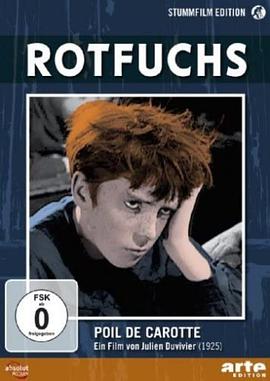
Summary Bullied by his matriarchal mother, abused by his siblings, ignored by his father, Poil de Carotte's childhood is as miserable as it could be. An illegitimate child, he is the main reason for the enmity which exists between his parents, who continue to live together just to keep up appearances. In the end, Poil de Carotte's suffering becomes more than he can bear... Review Drawing heavily on the poignant novel by Jules Renard on which it is based, Poil de carotte is a modest yet appealing film which has stood the test of time mainly because of the quality of its acting performances and its inherent humanity. It is more memorable than Julien Duvivier's earlier silent version of 1925, also named Poil de Carotte. The part of Poil de Carotte was played by 11 year old Robert Lynen, who was alleged to have been discovered whilst walking down the Champs-Elysées in Paris. Lynen is totally captivating and the film made him an instant star, launching what looked like becoming a very promising film career – until he was shot dead whilst fighting against the Germans in 1944. Harry Baur, a legendary stage and film actor (who also died during World War II, allegedly at the hands of the Gestapo), also turns in a typically fine performance. The reconciliation between father and son at the end of the film provides its most enduring image, enough to melt the heart of all but the most stoical of spectators.