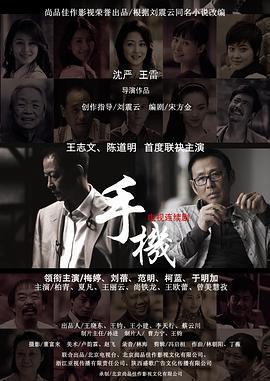
《做局》写了当今城乡联合发展经济过程中十分常见的现象,农民与企业家从互不信任,互相设局到在一系列波折与冲撞中互相了解并最终走到一起,共同诠释了根一样的传统道德,有着突出的现实意义和认知功能。本剧的主要人物刘怪,是受中国传统文化深刻影响的、精明强干、智慧幽默、具有现代精神的农村的人尖子。
讲述一对因疫情封城而隔离在家的夫妻,开始重新审视自己以及两人的关系。
1969年冬,山寒水瘦的黄河岸边。穷庄稼汉赵大30岁还未娶亲,母亲临终前将他托付给本族大爷赵天堂。邻村姑娘狗旦与赵大相好,她出身不好,母亲病重无钱医治,赵大出于好心,卖掉自留羊资助她们。谁知,公社武装部长米来昌竟粗暴干涉,带人抓走狗旦。批斗大会上,狗旦备受污辱,赵大挺身而出大闹会场,结果遭人毒打。狗旦四顾茫茫,万念俱灭,跳进汹涌的黄河。狗旦死后,赵大的好友双喜四处为之求亲,但终无着落。赵大为了满足母亲的遗愿,一气之下揭下"阴婚启事",米来昌横加斥责,赵大怒不可遏,顶风冒雪,将姑娘的尸骨埋进祖坟,挥泪离乡。星移斗转,冬去春来。赵大扦着春天的足迹重返故乡。邻居青青姑娘年轻漂亮、大方泼辣,但因换亲被迫嫁给了一个比她大十多岁的拐子,赵大同情她的不幸,青青从心底里爱上了赵大。一次赶集,赵大发现有人在自己书包内悄悄塞了双新布鞋,尤其那张劝慰他摆脱烦恼、投入新生活的纸条,滋润着他干涸的心田。他首先想到青青,但布鞋不是青青所送,赵大隐入迷茫。米来昌有愧当年迫害赵大、逼死狗旦,几次登门道歉,并要为赵大说媒,勾起赵大无限痛楚。双喜又为赵大介绍了农村教师沈玉兰。正当二人确定婚约时,赵大得知玉兰竟是自己"死妻"的寡母,深为惊讶。同族长辈坚决反对,玉兰的婆母极力阻挠。而玉兰又说出那双布鞋和纸条是她所赠,赵大左右为难。消息传开后,隐入无限痛苦的青青,在黄河边交给赵大一双她亲手做的布鞋,在他面前长跪不起。一时间,赵大的婚事又起波澜……
Summary Bullied by his matriarchal mother, abused by his siblings, ignored by his father, Poil de Carotte's childhood is as miserable as it could be. An illegitimate child, he is the main reason for the enmity which exists between his parents, who continue to live together just to keep up appearances. In the end, Poil de Carotte's suffering becomes more than he can bear... Review Drawing heavily on the poignant novel by Jules Renard on which it is based, Poil de carotte is a modest yet appealing film which has stood the test of time mainly because of the quality of its acting performances and its inherent humanity. It is more memorable than Julien Duvivier's earlier silent version of 1925, also named Poil de Carotte. The part of Poil de Carotte was played by 11 year old Robert Lynen, who was alleged to have been discovered whilst walking down the Champs-Elysées in Paris. Lynen is totally captivating and the film made him an instant star, launching what looked like becoming a very promising film career – until he was shot dead whilst fighting against the Germans in 1944. Harry Baur, a legendary stage and film actor (who also died during World War II, allegedly at the hands of the Gestapo), also turns in a typically fine performance. The reconciliation between father and son at the end of the film provides its most enduring image, enough to melt the heart of all but the most stoical of spectators.