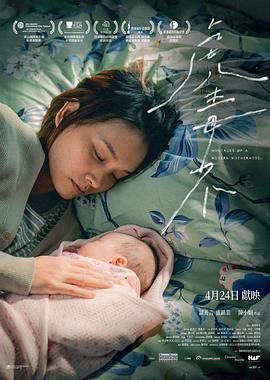
灵感来自于一个令人难以置信的真实故事:一位美发师单枪匹马地召集整个社区来帮助一位丧偶的父亲拯救他病危小女儿的生命。
故事的剧情很精巧,一对新婚夫妇带着出生不就的孩子搬往位于海滩附近的新居,可就在入住的第一晚,他们就碰上了一连串的倒霉事,汽车陷泥不能发动,新房没电且脏乱不堪,最重要的是,他们根本不知道楼上的邻居将会让他们遭遇更大的灾难....
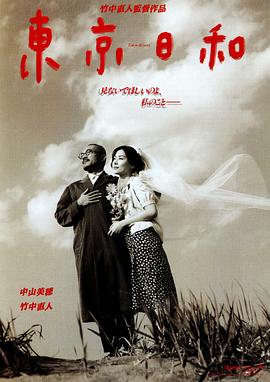
摄影家岛津已喜男(竹中直人饰)想要出版一本摄影集,这是一本献给亡妻阳子(中山美穗饰)的摄影集,标题为《东京日和》,岛津希望藉着这本摄影集,重新去感觉他和阳子之间的情愫与回忆。 在旅行社工作的阳子患有内分泌失调症,因而常常出现有别于常人的情绪和行为,甚至会无缘无故地走失。同事和上司也发现她的异常,但岛津对她依旧钟爱,并尽力保护她,使她免受现实残酷的压力。在柳川之旅,夫妇俩人故地重游,然而,阳子的病症越来越严重,岛津最终未能留住心爱的阳子。
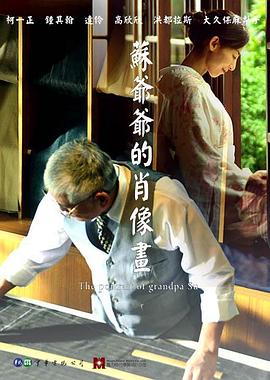
追夢受挫的洪宗明,屈於現實放棄了攝影,輾轉搬到老裁縫蘇爺爺店樓上的狹窄房間。母親意外過世,頹廢的宗明與蘇爺爺屢屢發生爭執,卻意外揭露蘇爺爺的老照片中,藏著一段無法忘卻的回憶,也勾出各自的思念…。
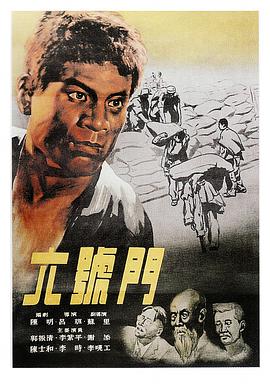
解放前夕的天津搬运码头,工人们受尽马八辈(陈士和 饰)父子和国民党统治者的压榨,个个挣扎在死亡线上。搬运工胡二(郭派清 饰)强忍饥饿扛包运货,累得昏倒在地,儿子因捡漏在地上的粮食,被马家的狗腿子活活摔死。胡妻(李晓工 饰)闻讯哭昏死过去。愤怒的工人自觉聚在一起商议,推选胡二和丁占元(李紫平 饰)为代表,率全体工人大闹马八辈的寿宴,追讨扣发的工钱并增加工资,不然就罢工。在六号门带动下,全市各货场码头纷纷响应。在强大斗争压力下,马八辈的儿子马金龙(谢添 饰)不得已给工人增加工资,之后指使特务逮捕了胡二。解放后,马氏父子受到政府处理,工人们推选胡二当了搬运站长,而被政府处理的老恶霸并不甘心......
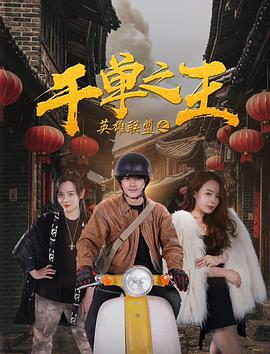
李大理是一名穿梭闹市的跑腿员,在不大的跑腿公司拥有着高达999单的准时送达记录,然而就在他即将以为能够刷新人生记录的时候,这个第1000单的包裹却变成一场彻底打破他平静生活的浩劫,也正因此,让他卷入了一场匪夷所思的绑架案中。一时间,围绕在李大理身边的各式人物纷纷粉墨登场。其中包括李大理的三个一直想要帮他恢复记忆的“挚友”:倾慕李大理的王语嫣、摩托车司机赵德柱、自诩为雕刻艺术家的刘生;以及两个误打误撞的“笨贼”常富贵、郝争气,和极度抠门的跑跑公司老板谢顶。整个事件也因为这样一群各怀目的的人所引发的闹剧,
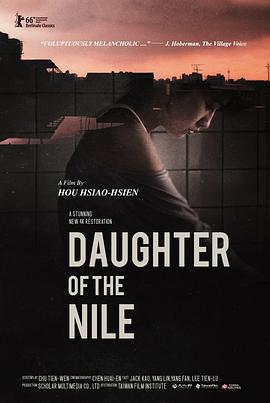
少女林晓阳(杨林 饰)爱看漫画,常幻想自己是细川智荣子少女漫画《尼罗河女儿》主角。她生活在繁华的台北,白天在肯德基当店员,晚上在夜校读书。晓阳与家人住在一座简陋的平房里,祖父(李天禄 饰)是个风趣的老头。父亲(崔福生 饰)在嘉义当员警,常年在外执勤。母亲去世后,晓阳肩负起母亲的职责,照顾上了年纪的父亲及上学的妹妹,并整天为哥哥担心。 哥哥(高捷 饰)与朋友合开一家餐厅,白天工作,晚上当小偷,却能照顾到家人。父亲和哥哥爆发冲突时,晓阳总是站在哥哥一边。她暗恋上哥哥的朋友阿三,却不知阿三爱着别人。种种事实让她感到气愤、悲伤和绝望,并在遭受打击后成熟清醒。