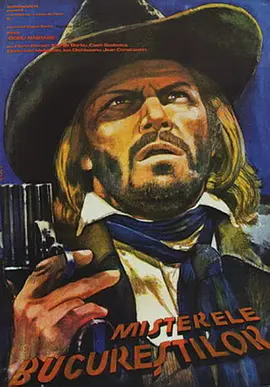
影片以18世纪罗马尼亚的地下秘密组织“兄弟会”为线索,该组织密谋推翻贵族政府为目的。影片拍摄时期为罗马尼亚共产党执政时期,对“兄弟会”进行颂扬。当时的罗马尼亚受到法国大革命的影响,民族主义运动兴起。片中的“兄弟会”酝酿发动革命推翻贵族统治,而黄玫瑰则帮助 “兄弟会”与贵族军队作战。影片本来要拍成《007》那样的系列电影,但是因为后来罗马尼亚政局变化,电影业私有化,最后只拍到了第八部。 影片风格是美国西部片式的。男主角马尔杰拉图神出鬼没,神勇无比,为“兄弟会”出生入死。他不停地嗑瓜子动作,成为他的招牌。扮演马尔杰拉图的演员叫弗洛林·彼耶尔西克,据说,他在罗马尼亚电影表演界的地位,与现在的罗马尼亚电影创作协会主席塞尔裘·尼古莱斯库相当。片中的黄玫瑰很像个美国牛仔。比如,他的枪法很好,还会趴在地上听马蹄声,而且片中还出现了西部片必然会有的场面:群马追击四轮...
藥物成癮的凡妮莎與男友仰賴社福漏洞苟且偷生,白天推著破舊除草機逐戶敲門、騷擾乞錢,夜晚徘徊荒郊曠野,蟄居廢棄拖車。日復一日,兩人不是在醫院無賴討藥,就是在街上失神遊蕩。行屍走肉般的生活逐漸讓凡妮莎感到不安,發現懷孕後,她力圖振作,卻發現自己無法割捨早已放棄人生的萎靡男友。在感情與理性間搖擺不定的她,終將墮回萬劫不復的愛情煉獄,抑或能堅定擁抱新生的勇氣? 加拿大離島出身的新銳導演艾許莉麥坎錫,將家鄉沉迷藥癮、頹廢過活的失業青年群象,改編成現實羅曼史,描繪在絕望與無奈的漩渦中載浮載沉的邊緣悲歌。堅持草根視角,啟用在地演員,以大量貼身特寫手法,展現陰性影像書寫的特殊風格。
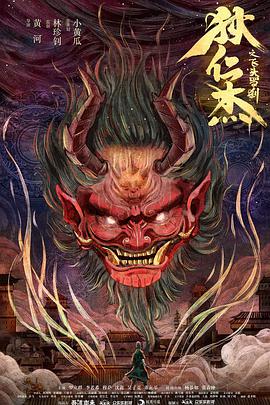
讲述的是祈福仪式之时,天空现一巨型飞头,一时间人心惶惶。狄仁杰与赫连休屠联手查案,几番周折,狄仁杰等人来到神秘的北冥幽都,众人遭遇伏击险些丧命。回到洛阳后,天生异象,危机四伏,狄仁杰临危不惧,终查出幕后凶手。
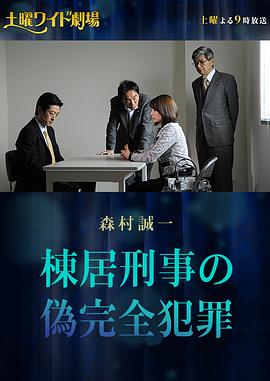
自由撰稿人河上辰男死在家中。警视厅搜查一课的刑警栋居弘一良在现场勘查后发现,被喷满了雾状血迹的书架上,有一本书滴血未沾,他便起了疑心。那本书是著名作家桧山丽子的畅销小说《湖上之恋》,而且里面还有作者的亲笔签名。 其他刑警怀疑上了案发后失踪的河上的同居人水野伸江,而栋居却着眼于血迹之谜。河上被杀的时候,《湖上之恋》不在书架上吗?如果真是如此,凶手有为何非得把书放回书架呢?
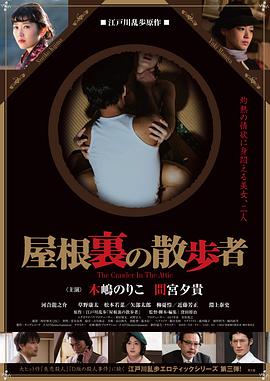
由三原光寻导演、嘉门洋子等主演的一部惊悚悬疑类影片。本片改编自日本著名推理小说家江户川乱步的同名小说,反映的是对偷窥者和谋杀的研究,并以爱伦·坡式的恐怖故事的味道传达专横跋扈的变态情欲。本片将原来的男性“散步者”乡田三郎设定为死者,大胆改用女性来做偷窥者和受害者,以她的行动和遭遇来推动情节的发展,同时也使得片中有着浓郁十足的香艳气息。