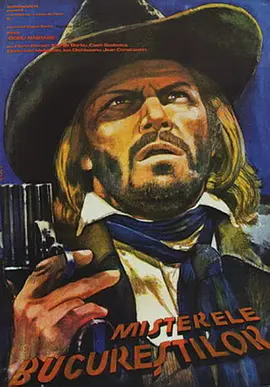
影片以18世纪罗马尼亚的地下秘密组织“兄弟会”为线索,该组织密谋推翻贵族政府为目的。影片拍摄时期为罗马尼亚共产党执政时期,对“兄弟会”进行颂扬。当时的罗马尼亚受到法国大革命的影响,民族主义运动兴起。片中的“兄弟会”酝酿发动革命推翻贵族统治,而黄玫瑰则帮助 “兄弟会”与贵族军队作战。影片本来要拍成《007》那样的系列电影,但是因为后来罗马尼亚政局变化,电影业私有化,最后只拍到了第八部。 影片风格是美国西部片式的。男主角马尔杰拉图神出鬼没,神勇无比,为“兄弟会”出生入死。他不停地嗑瓜子动作,成为他的招牌。扮演马尔杰拉图的演员叫弗洛林·彼耶尔西克,据说,他在罗马尼亚电影表演界的地位,与现在的罗马尼亚电影创作协会主席塞尔裘·尼古莱斯库相当。片中的黄玫瑰很像个美国牛仔。比如,他的枪法很好,还会趴在地上听马蹄声,而且片中还出现了西部片必然会有的场面:群马追击四轮...
沈青怀着孕,压力很大。 她照顾着意外怀孕的学生和患有脑瘫的叔叔,后者有被赶出疗养院的危险。 成本不断增加,时间紧迫,但她和丈夫勉强承受。 当她收到自己的孩子有70%的几率先天残疾的消息时,她的婚姻陷入危机,沈青和她的丈夫为残疾胎儿的命运争论不休,而这个未出生的灵魂却同情地观察着一切。 周洲导演凭借池韵的强势主演和脑瘫患者的参与,讲述了一个女人在一个对残疾人抱有偏见的世界里遵循自己道德的悲痛故事。 ——贾森·马赫(摘自大阪亚洲电影节官网) Qing Chen is carrying a child and a lot of pressure. She is looking after a student who has had an unplanned pregnancy and an uncle with cerebral palsy who is at risk of being kicked out of a nursing home. Costs are mounting and time is short but she and her husband are getting by, just about. When she receives news that her baby has a 70% chance of being born disabled, it ignites a crisis in her marriage as Qing Chen and her husband argue over the fate of their unborn baby who is observing everything sympathetically.With a powerful leading performance by Chi Yun and the participation of people with cerebral palsy, director ZHOU Zhou gives a harrowing look at a woman following her own morality in a world where some hold prejudice against the disabled. [Jason MAHER]
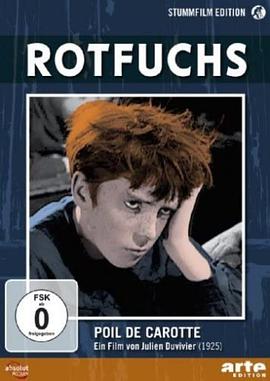
Summary Bullied by his matriarchal mother, abused by his siblings, ignored by his father, Poil de Carotte's childhood is as miserable as it could be. An illegitimate child, he is the main reason for the enmity which exists between his parents, who continue to live together just to keep up appearances. In the end, Poil de Carotte's suffering becomes more than he can bear... Review Drawing heavily on the poignant novel by Jules Renard on which it is based, Poil de carotte is a modest yet appealing film which has stood the test of time mainly because of the quality of its acting performances and its inherent humanity. It is more memorable than Julien Duvivier's earlier silent version of 1925, also named Poil de Carotte. The part of Poil de Carotte was played by 11 year old Robert Lynen, who was alleged to have been discovered whilst walking down the Champs-Elysées in Paris. Lynen is totally captivating and the film made him an instant star, launching what looked like becoming a very promising film career – until he was shot dead whilst fighting against the Germans in 1944. Harry Baur, a legendary stage and film actor (who also died during World War II, allegedly at the hands of the Gestapo), also turns in a typically fine performance. The reconciliation between father and son at the end of the film provides its most enduring image, enough to melt the heart of all but the most stoical of spectators.