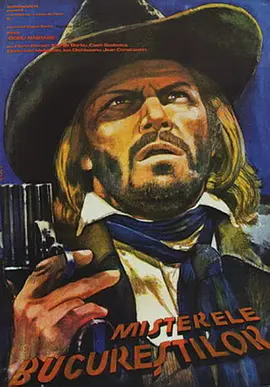
影片以18世纪罗马尼亚的地下秘密组织“兄弟会”为线索,该组织密谋推翻贵族政府为目的。影片拍摄时期为罗马尼亚共产党执政时期,对“兄弟会”进行颂扬。当时的罗马尼亚受到法国大革命的影响,民族主义运动兴起。片中的“兄弟会”酝酿发动革命推翻贵族统治,而黄玫瑰则帮助 “兄弟会”与贵族军队作战。影片本来要拍成《007》那样的系列电影,但是因为后来罗马尼亚政局变化,电影业私有化,最后只拍到了第八部。 影片风格是美国西部片式的。男主角马尔杰拉图神出鬼没,神勇无比,为“兄弟会”出生入死。他不停地嗑瓜子动作,成为他的招牌。扮演马尔杰拉图的演员叫弗洛林·彼耶尔西克,据说,他在罗马尼亚电影表演界的地位,与现在的罗马尼亚电影创作协会主席塞尔裘·尼古莱斯库相当。片中的黄玫瑰很像个美国牛仔。比如,他的枪法很好,还会趴在地上听马蹄声,而且片中还出现了西部片必然会有的场面:群马追击四轮...
美丽雍容的齐藤里惠(北川景子 饰)是号称银座NO.1的女公关,她身处男性中间,有如众星拱月,风光无限。可是令人咋舌的是,她竟然是一位有着听力障碍的女性。里惠出生在青森县一个家教严格的家庭,不到两岁的时候她因髓膜感后遗症而失去听力,自然而然也失去了说话的能力。父母并未因她的遭遇而有过多的溺爱,反而更加严格培养里惠,叛逆的女孩开始逃课,酗酒、抽烟、盗窃,用一切罪恶作贱自己的身体,终于令其成为青森第一不良少女。命运之神并没有放弃可怜的女孩,某天她邂逅了一位来自银座的妈妈桑,人生从此发生了天翻地覆的变化…… 本片根据齐藤里惠撰写的自传改编。
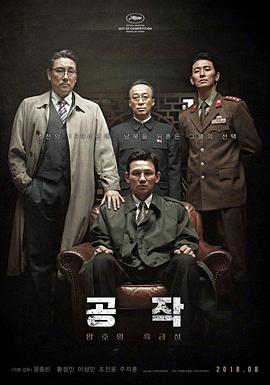
1990年代中期,暗号「黑金星」的南韩「国家安全企划部」情报员,假扮成南韩商人跟北韩进行商业交易,藉此渗透北韩军事单位,打探核开发情报,他得在最危险的地方,赢得敌方的信任,没想到一心只想完成任务的他,却在不自觉中陷入南北韩权力高层间的恐怖阴谋。
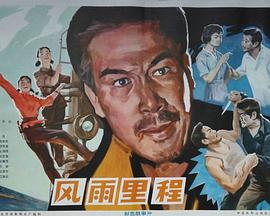
一九七五年春天,为保证铁路正常运输,中州铁路局商洛电务段组织了以革委会主任路云志为首的设备检查整修队,决心步行二百五十公裡,在管区内的铁路沿线进行设备检修。 “四人帮”的亲信姚兴邦等,害怕路云志等人的行动打乱他们“稳住上海,搞乱全国,乱中夺权”的阴谋,便给路云志他们制造重重障碍,污蔑他们搞“唯生产力论”等等。但是,这一切都没能阻止整修队前进。姚兴邦又派人到整修队进行分化瓦解,也未得逞。继之,又妄图制造火车相撞事故。由于路云志挺身抢救,使事故得以避免。姚兴邦狗急跳牆,派他的保镖非法绑架了路云志,逼他承认步行二百五十裡是“走资派”搞的黑样板,并要他交出后台。整修队在看道工人和群众的帮助下,经过一场搏斗,救出了路云志,又克服重重困难,胜利到达了检修的终点站。
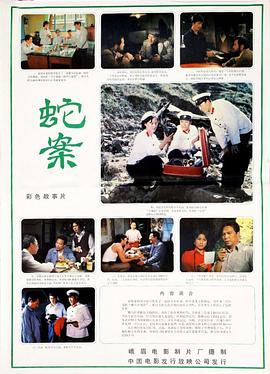
月黑风高之夜,春城博物馆文物被盗。刑侦队长海洋(吴喜千 饰)率侦察员投入侦破工作,技术室指纹证实,是一个叫张疤脸(涂中如 饰)的人留下的。他们在去广州的火车上找到张疤脸,但在其携带的皮箱中发现的不是文物,而是眼镜蛇。在一起人为车祸现场,侦察员在车内发现了复制的假文物。博物馆值班员林金声(张北 饰)要去广州看儿子,在火车上服了有毒的胃药后昏迷,海洋渐渐把怀疑的目标锁定在外贸局司机林银生(孙滨 饰)身上。在通往边境的路上,海洋借故座上林银生的054号卡车,边检时却毫无收获。原来,狡猾的林银生途中进行了“偷梁换柱”......
The story of Saina Nehwal, a professional badminton player who ranked number 1 in the sport.