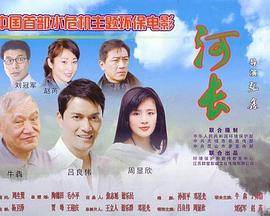
一场蓝藻爆发,引发了一个几百万人口城市的饮水危机。当市民们还在抢购纯净水,沉浸在没水喝的恐慌之中时,市领导立即将切肤之痛化为铁腕治污行动,于是,关闭所有污染企业,彻底淘汰落后产能的战役率先在桃江市全面打响。 自封是桃江“河长”的老厂长张清水(牛犇饰)极力要制止儿子张秋江(吕良伟饰)的非法排污行为,身患绝症后仍誓死守望“母亲河”。 桃鑫化工厂不仅是桃江市的利税大户,而且热衷公益事业,市里的幼儿园、敬老院、学校、医院都经常得到该企业的捐助。 然而,桃鑫化工厂也是远近闻名的排污大户,虽然投入数百万元购置了进口的污水处理设备,但由于污水处理成本高,谋取高额利润的个人欲望驱使他们通过地下暗道,每天深夜偷偷向桃花江江心排污,而桃江的水直通桃湖。 桃鑫化工厂董事长张秋江的父亲张清水觉察到儿子的不法行为,开始明察暗访,调查企业的排污情况,引起儿子的不满。就在父子矛盾加剧时,张清水病倒了,经诊断为癌症!但身患重病的他仍念念不忘保护桃江,他对儿子说:“我就是一名自封的河长”。 终于,不堪重负的桃湖蓝藻爆发,引起了全市几百万人的水危机。市政府和环保部门在采取紧急措施解决市民饮水问题的同时,果断决定关闭、淘汰、转产所有污染企业,市长黄建华对企业家们说:“如果群众连干净的水都喝不上,我们赚那么多钱干什么?如果桃湖死了,我们就是千古罪人!” 为了彻底阻止桃鑫化工继续排污,张清水带病在儿子的女友陈晨(周显欣饰)医生的帮助下,深夜划小木船到江心取证,而他的这一举动却被该企业副总发现,夜幕下,副总驾驶摩托艇到江心驱赶…… 《河长》电影2009年开机拍摄,该剧演绎了扑朔迷离的排污罪行,大义灭亲的举报壮举,将父子情、恋人情交织在罪与责之中,揭示出金钱、道义、利益、生命孰轻孰重的浅显道理。 本期专题独家采访了参与《河长》电影拍摄的部分演员、导演、编剧及制片人,从他们的言谈中,体现出了他们对当下环境的关注。
我叫夏津生,做水产生意,45岁那年我儿子跳楼自杀了,他死后第37天我进了他所有的群,我发现里面全都是有抑郁倾向企图轻生的孩子,我不知道为什么,我在“约死群”留言1万9千次,问过127个男孩,49个女孩,到现在也没有答案……
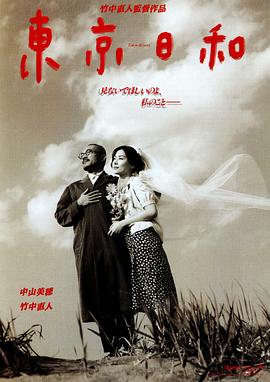
摄影家岛津已喜男(竹中直人饰)想要出版一本摄影集,这是一本献给亡妻阳子(中山美穗饰)的摄影集,标题为《东京日和》,岛津希望藉着这本摄影集,重新去感觉他和阳子之间的情愫与回忆。 在旅行社工作的阳子患有内分泌失调症,因而常常出现有别于常人的情绪和行为,甚至会无缘无故地走失。同事和上司也发现她的异常,但岛津对她依旧钟爱,并尽力保护她,使她免受现实残酷的压力。在柳川之旅,夫妇俩人故地重游,然而,阳子的病症越来越严重,岛津最终未能留住心爱的阳子。
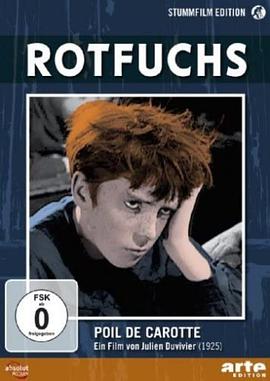
Summary Bullied by his matriarchal mother, abused by his siblings, ignored by his father, Poil de Carotte's childhood is as miserable as it could be. An illegitimate child, he is the main reason for the enmity which exists between his parents, who continue to live together just to keep up appearances. In the end, Poil de Carotte's suffering becomes more than he can bear... Review Drawing heavily on the poignant novel by Jules Renard on which it is based, Poil de carotte is a modest yet appealing film which has stood the test of time mainly because of the quality of its acting performances and its inherent humanity. It is more memorable than Julien Duvivier's earlier silent version of 1925, also named Poil de Carotte. The part of Poil de Carotte was played by 11 year old Robert Lynen, who was alleged to have been discovered whilst walking down the Champs-Elysées in Paris. Lynen is totally captivating and the film made him an instant star, launching what looked like becoming a very promising film career – until he was shot dead whilst fighting against the Germans in 1944. Harry Baur, a legendary stage and film actor (who also died during World War II, allegedly at the hands of the Gestapo), also turns in a typically fine performance. The reconciliation between father and son at the end of the film provides its most enduring image, enough to melt the heart of all but the most stoical of spectators.