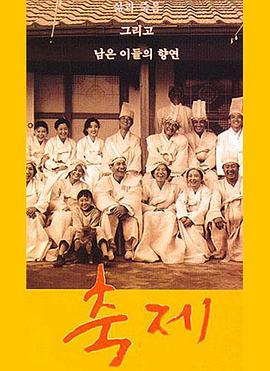
故事写的是在一个临海的小渔村,一个老妇人被病魔夺去了生命。这一来,原本非常平静的小渔村立刻起了变化,汇拢来的女眷们簇拥着遗体,毫无忌惮地放声痛哭。不久,吊唁的客人和村民纷纷沓至。亡人是个著名作家的母亲,所以也惊动了中央及地方的要员。时光流逝,夜入三更,人们举杯落盏之余,有的已是横躺竖卧,烂醉如泥。但也有人或醉心赌牌,或大嚷大叫,或出拳动手打骂起来。丧家乱哄哄的,一片狼藉。天亮了,送葬的时刻到了。人们抬着棺舆,排着队列,唱着挽歌,向墓地进发。下葬结束后,回到丧家的人们,将死者的遗像安放在灵堂,最后照纪念照。大家神情凝重,照相人的一句玩笑,才把大家逗得笑了起来。活动结束了,小小的渔村又恢复了往日的平静。
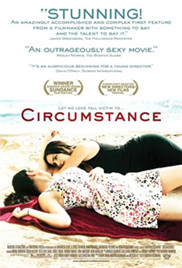
影片取材于Rolling Stones创始人之一Brian Jones在1969年7月2日猝死事件,导演Stephen Woolley寻访了大量当事人,想必这个揭密应该比较权威,或者,我们就权当看八卦了嘛~~~ Stephen Woolley是着名导演Neil Jordan的御用制片人,二人合作的电影有13部,包括《夜访吸血鬼》和《哭泣的游戏》。
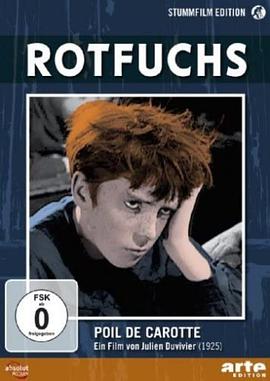
Summary Bullied by his matriarchal mother, abused by his siblings, ignored by his father, Poil de Carotte's childhood is as miserable as it could be. An illegitimate child, he is the main reason for the enmity which exists between his parents, who continue to live together just to keep up appearances. In the end, Poil de Carotte's suffering becomes more than he can bear... Review Drawing heavily on the poignant novel by Jules Renard on which it is based, Poil de carotte is a modest yet appealing film which has stood the test of time mainly because of the quality of its acting performances and its inherent humanity. It is more memorable than Julien Duvivier's earlier silent version of 1925, also named Poil de Carotte. The part of Poil de Carotte was played by 11 year old Robert Lynen, who was alleged to have been discovered whilst walking down the Champs-Elysées in Paris. Lynen is totally captivating and the film made him an instant star, launching what looked like becoming a very promising film career – until he was shot dead whilst fighting against the Germans in 1944. Harry Baur, a legendary stage and film actor (who also died during World War II, allegedly at the hands of the Gestapo), also turns in a typically fine performance. The reconciliation between father and son at the end of the film provides its most enduring image, enough to melt the heart of all but the most stoical of spectators.
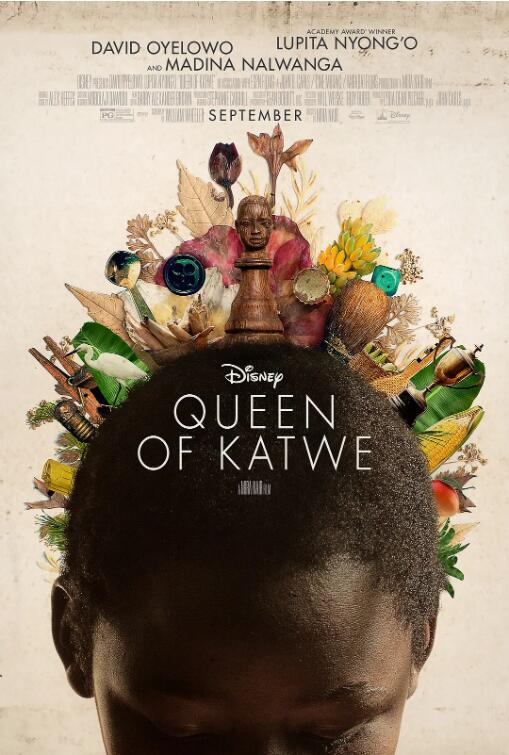
本片根据国际象棋神童菲欧娜·木塔西的经历改编而成,菲奥娜出生在乌干达最大的贫民窟卡推,当地教堂为前来学习国际象棋的人提供米粥,菲欧娜为此进入象棋班,极具天赋的她棋艺精进,最终代表国家登上国际棋坛。