17 岁的埃克托尔与一只像他一样胆小、冷淡的小狗建立了牢不可破的友谊,这是少年感化院重返社会计划的一部分。小狗被领养后,伤心不已的埃克托尔逃出去寻找它,并在哥哥伊斯梅尔、奶奶库卡、两只小狗、一头牛和其他动物的陪伴下踏上了一段非凡的旅程。
It is often maintained that films present intimate insight into the lives of their protagonists, usually implying a psychological or physical closeness.
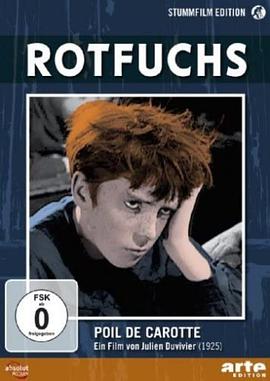
Summary Bullied by his matriarchal mother, abused by his siblings, ignored by his father, Poil de Carotte's childhood is as miserable as it could be. An illegitimate child, he is the main reason for the enmity which exists between his parents, who continue to live together just to keep up appearances. In the end, Poil de Carotte's suffering becomes more than he can bear... Review Drawing heavily on the poignant novel by Jules Renard on which it is based, Poil de carotte is a modest yet appealing film which has stood the test of time mainly because of the quality of its acting performances and its inherent humanity. It is more memorable than Julien Duvivier's earlier silent version of 1925, also named Poil de Carotte. The part of Poil de Carotte was played by 11 year old Robert Lynen, who was alleged to have been discovered whilst walking down the Champs-Elysées in Paris. Lynen is totally captivating and the film made him an instant star, launching what looked like becoming a very promising film career – until he was shot dead whilst fighting against the Germans in 1944. Harry Baur, a legendary stage and film actor (who also died during World War II, allegedly at the hands of the Gestapo), also turns in a typically fine performance. The reconciliation between father and son at the end of the film provides its most enduring image, enough to melt the heart of all but the most stoical of spectators.
当“我”进行非法卖淫时,基俊是突然冲进房间威胁那个女人的人。 每次我们进行固定比赛时,女人们都会哭泣。 这听起来与我父亲 4 年前的相似。 他粗暴地打了我哥哥,然后离开妈妈逃跑了。 现在我要见基俊,从中年妇女身上赚大钱。 我们通常对他们大喊大叫,但这次,可能不得不打他们。