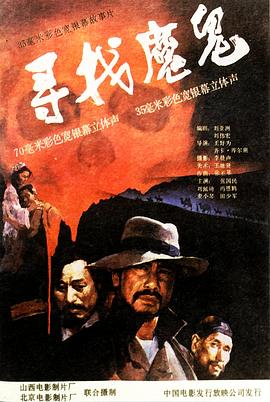
唐朝末年,昆仑山昆吾阁长老皇甫颠有感妖族破坏龙脉,带领弟子门人前去与千年树妖斗法。不想树妖吸收魔物万魄玄阴珠后实力大增,昆无阁一众损伤殆尽。为保存实力、扭转危局,皇甫颠耗尽法力启动飞流法阵,将大弟子寻荼与女弟子楚灵儿送回到三日前的磐石镇,希望在树妖得到玄阴珠前将其消灭。小人物李元基和他的伙伴们遇到楚灵儿与寻荼,卷入了与树妖等魔道的较量,在与魔道对抗的过程中逐渐成长,改变了事不关己高高挂起的小市民心态,肩负起匡扶正义的使命,最终为拯救百姓而做出自我牺牲,打败魔道,成为大漠英雄。
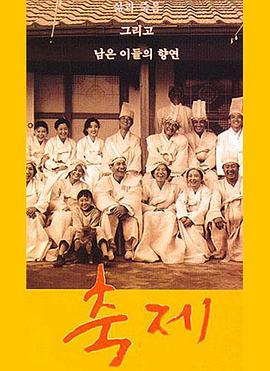
故事写的是在一个临海的小渔村,一个老妇人被病魔夺去了生命。这一来,原本非常平静的小渔村立刻起了变化,汇拢来的女眷们簇拥着遗体,毫无忌惮地放声痛哭。不久,吊唁的客人和村民纷纷沓至。亡人是个著名作家的母亲,所以也惊动了中央及地方的要员。时光流逝,夜入三更,人们举杯落盏之余,有的已是横躺竖卧,烂醉如泥。但也有人或醉心赌牌,或大嚷大叫,或出拳动手打骂起来。丧家乱哄哄的,一片狼藉。天亮了,送葬的时刻到了。人们抬着棺舆,排着队列,唱着挽歌,向墓地进发。下葬结束后,回到丧家的人们,将死者的遗像安放在灵堂,最后照纪念照。大家神情凝重,照相人的一句玩笑,才把大家逗得笑了起来。活动结束了,小小的渔村又恢复了往日的平静。
燕清秋康复登台以后,再也没有唱过那出戏,不是因为不敢,而是不愿意再触及那段惊悚血色的回忆。苏月中枪以后,因为子弹偏离心脏半寸,而逃过了一劫。经过法庭审判,苏月被判处终身监禁。半年之后,北平沦陷,大牢也在炮火中塌陷,狱师在收尸的时候,发现苏月已经不知了去向。
古墓探险类电影,讲述杜恩硕从登徒浪子,到落魄的躲债人,到成为中华武术大师传人,保护国家宝藏诛灭外敌的故事,传达出主角即使经历过大起大落,见过人心险恶,饱受世间冷暖,但却始终有一颗赤子心的正能量情感。
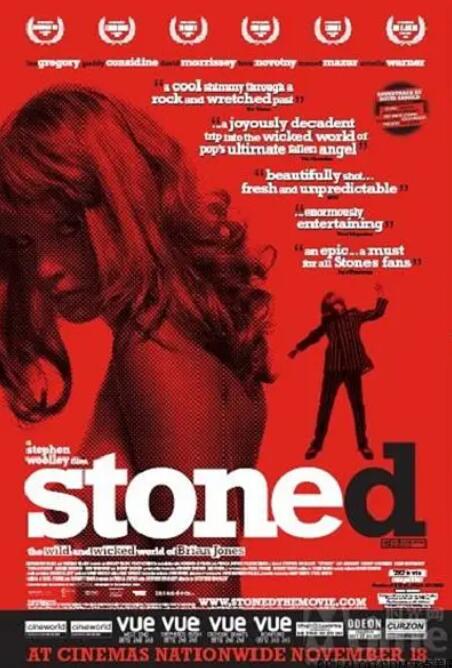
影片取材于Rolling Stones创始人之一Brian Jones在1969年7月2日猝死事件,导演Stephen Woolley寻访了大量当事人,想必这个揭密应该比较权威,或者,我们就权当看八卦了嘛~~~ Stephen Woolley是着名导演Neil Jordan的御用制片人,二人合作的电影有13部,包括《夜访吸血鬼》和《哭泣的游戏》。
The tormented life of Dante Alighieri, from solitary childhood to death in exile, seen through Giovanni Boccaccio’s journey to rehabilitate his memory.
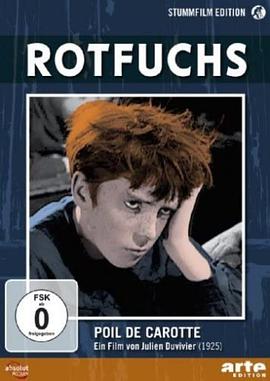
Summary Bullied by his matriarchal mother, abused by his siblings, ignored by his father, Poil de Carotte's childhood is as miserable as it could be. An illegitimate child, he is the main reason for the enmity which exists between his parents, who continue to live together just to keep up appearances. In the end, Poil de Carotte's suffering becomes more than he can bear... Review Drawing heavily on the poignant novel by Jules Renard on which it is based, Poil de carotte is a modest yet appealing film which has stood the test of time mainly because of the quality of its acting performances and its inherent humanity. It is more memorable than Julien Duvivier's earlier silent version of 1925, also named Poil de Carotte. The part of Poil de Carotte was played by 11 year old Robert Lynen, who was alleged to have been discovered whilst walking down the Champs-Elysées in Paris. Lynen is totally captivating and the film made him an instant star, launching what looked like becoming a very promising film career – until he was shot dead whilst fighting against the Germans in 1944. Harry Baur, a legendary stage and film actor (who also died during World War II, allegedly at the hands of the Gestapo), also turns in a typically fine performance. The reconciliation between father and son at the end of the film provides its most enduring image, enough to melt the heart of all but the most stoical of spectators.