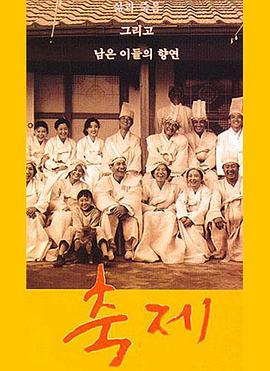
故事写的是在一个临海的小渔村,一个老妇人被病魔夺去了生命。这一来,原本非常平静的小渔村立刻起了变化,汇拢来的女眷们簇拥着遗体,毫无忌惮地放声痛哭。不久,吊唁的客人和村民纷纷沓至。亡人是个著名作家的母亲,所以也惊动了中央及地方的要员。时光流逝,夜入三更,人们举杯落盏之余,有的已是横躺竖卧,烂醉如泥。但也有人或醉心赌牌,或大嚷大叫,或出拳动手打骂起来。丧家乱哄哄的,一片狼藉。天亮了,送葬的时刻到了。人们抬着棺舆,排着队列,唱着挽歌,向墓地进发。下葬结束后,回到丧家的人们,将死者的遗像安放在灵堂,最后照纪念照。大家神情凝重,照相人的一句玩笑,才把大家逗得笑了起来。活动结束了,小小的渔村又恢复了往日的平静。
故事的剧情很精巧,一对新婚夫妇带着出生不就的孩子搬往位于海滩附近的新居,可就在入住的第一晚,他们就碰上了一连串的倒霉事,汽车陷泥不能发动,新房没电且脏乱不堪,最重要的是,他们根本不知道楼上的邻居将会让他们遭遇更大的灾难....
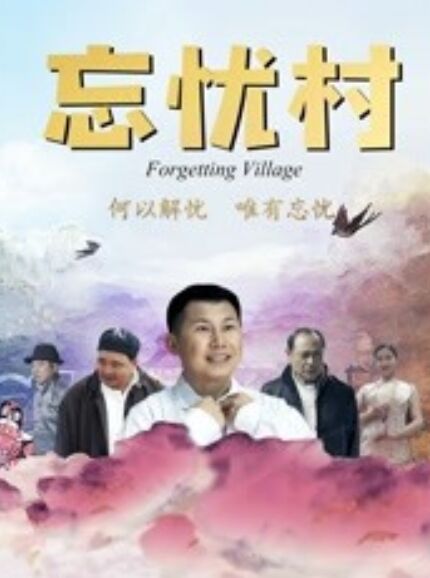
狼人出现丰仁镇,镇上开展了轰轰轰烈的捉狼人活动。夕若被狼人挟持,却没怎么样,而因夕若善忘,狼人再次来到丰仁镇。夕若陷害了阿郎,导致狼人被抓。几个村民和王二寡妇纠缠不清,惹出了很多误会。而坏坏的王庄主,在抓狼人的过程中,一直怂恿大家出力,而自己却偷懒,却没想到自己“后院起火”。小狼人找不到大人了,来镇上寻找,结果遇见了旺祖,旺祖媳妇因此想起了自己丢失多年的孩子。阿郎后来又被夕若救走,因为狼族首领,狼人得知夕若曾经她喝“忘忧酒”,才变得善忘的。阿郎看了夕若以前的信件,明白了夕若曾有个暗恋的人,喜欢上夕若的狼人,开始了细致的调查,很多人也因此被牵扯了进去。丰仁镇隐藏多年的秘密,终于浮出了水面……
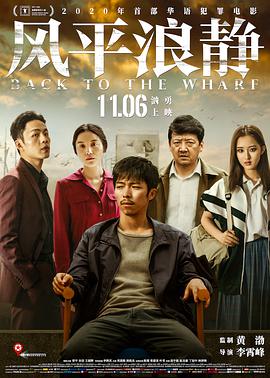
十五年前的一次意外,成绩优异高中生宋浩离开了家乡,也离开了原本的人生轨迹。十五年后,他回到家乡,一切仿佛都已风平浪静。与老同学潘晓霜的重逢,给了他人生久违的光亮。他决定揭开那个十五年来不敢触碰的伤疤,重新掌控人生,完成一场似乎不可能的自我救赎。
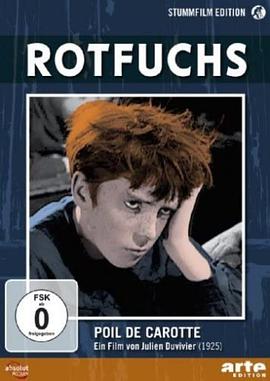
Summary Bullied by his matriarchal mother, abused by his siblings, ignored by his father, Poil de Carotte's childhood is as miserable as it could be. An illegitimate child, he is the main reason for the enmity which exists between his parents, who continue to live together just to keep up appearances. In the end, Poil de Carotte's suffering becomes more than he can bear... Review Drawing heavily on the poignant novel by Jules Renard on which it is based, Poil de carotte is a modest yet appealing film which has stood the test of time mainly because of the quality of its acting performances and its inherent humanity. It is more memorable than Julien Duvivier's earlier silent version of 1925, also named Poil de Carotte. The part of Poil de Carotte was played by 11 year old Robert Lynen, who was alleged to have been discovered whilst walking down the Champs-Elysées in Paris. Lynen is totally captivating and the film made him an instant star, launching what looked like becoming a very promising film career – until he was shot dead whilst fighting against the Germans in 1944. Harry Baur, a legendary stage and film actor (who also died during World War II, allegedly at the hands of the Gestapo), also turns in a typically fine performance. The reconciliation between father and son at the end of the film provides its most enduring image, enough to melt the heart of all but the most stoical of spectators.