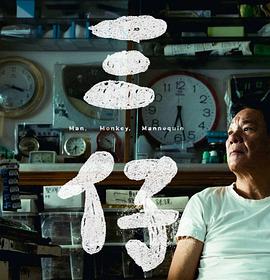
三仔守着一间过时的钟表行店里早已没有生意三仔平时足不出户老友过世后他尝试踏出停滞的生活久违的第一次爬山三仔就摔伤了脚山上的猴子都在嘲笑他
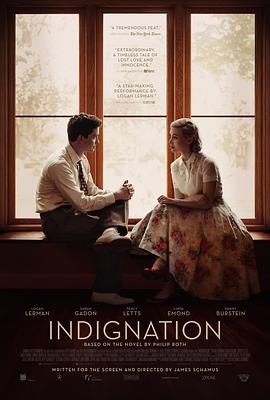
影片改编自菲利普·罗斯2008年出版的同名小说,故事围绕上世纪50年代美国一名犹太裔男青年马科斯·梅思纳的苦闷与彷徨展开。
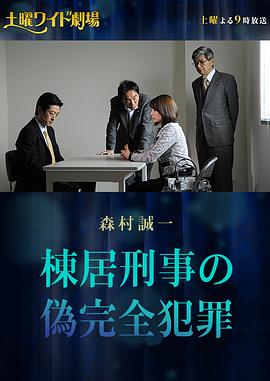
自由撰稿人河上辰男死在家中。警视厅搜查一课的刑警栋居弘一良在现场勘查后发现,被喷满了雾状血迹的书架上,有一本书滴血未沾,他便起了疑心。那本书是著名作家桧山丽子的畅销小说《湖上之恋》,而且里面还有作者的亲笔签名。 其他刑警怀疑上了案发后失踪的河上的同居人水野伸江,而栋居却着眼于血迹之谜。河上被杀的时候,《湖上之恋》不在书架上吗?如果真是如此,凶手有为何非得把书放回书架呢?
林嫣嫣被困游戏,闺蜜雨桐与超男试图搭救林嫣嫣,却造成三人同时被困的尴尬局面;林嫣嫣必须要在时限内当上皇后才能逃出游戏,更糟糕的是,皇帝祁钰长了一张跟林嫣嫣现实中的死对头齐钰一样的脸!面对皇帝时的心理障碍,还有三人不定时切换的社死日常,林嫣嫣游戏之路困难重重。
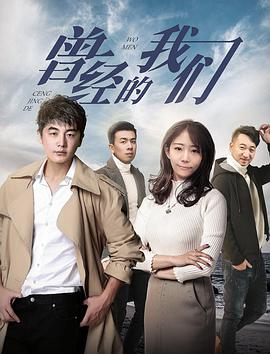
电影《曾经的我们》由山东观潮影视有限公司制作出品,北京溢彩影视文化传媒有限公司独家发行。出品人孟凡响、魏开亮,管胜担任制片人,导演管超,编剧管超,管超、彤彤、李光宗、金亚、黄成联袂出演。4个中学青年管浩、黄家成、金一凡、刘涛,从中学时期一起学习,一起犯错,不过他们都坚持着自己的梦想,等待着有一天去实现。直到二十年过去,他们已经从青葱少年到了成家立业的年龄,可他们回头一看原来自己都走在梦想的边缘,并未把梦想变成现实。于是不甘现实低头的他们,开始寻找梦想之路,这一路的坎坷,歧途,让他们备受打击,不过最后努力过后,也终归实现了儿时的梦想。
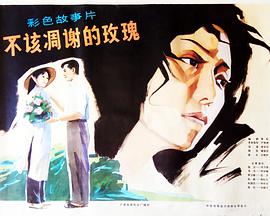
1972年,中国扫雷队员韦力在越南某港口扫雷,因水雷爆炸受了重伤,掉进水里。担任救护的越南女军医阮贞跳海救了韦力,并把他送到军医院。原来,他们是中越界奇丽江边的一对少年朋友。有一次,阮贞失足落水,韦力曾跳下江去救过她。旧友重逢,倍加亲热,爱情之火,也从阮贞心中燃起。阮贞的同学黎文雄从国外留学回来,他热烈地追求阮贞,但阮贞拒绝了他的纠缠,深深地爱着韦力。韦力伤愈回国时,阮贞向他赠送了表示爱情的玫瑰花。中越关系紧张后,由于阮贞对韦力的热爱,她被复员回乡,在一个卫生所当医生。一天,她过江过中国边境买药巧遇韦力。原来,韦力受伤后,也已从部队转业回家乡工作。两人别后重逢,共叙友情,依依不舍。后来,边境形势发生巨大变化。黎文雄担任了奇丽江边公安屯长,他仍不断纠缠阮贞,并派阮贞给上国顾问当"保健医生"妄图以此迫使阮贞就范。阮贞的父亲阮德忠得知这个消息后,将女儿偷偷送过江,到中国的朋友韦春山家躲避。想不到,春山就是韦力的爸爸。阮贞和韦力结成了伴侣。一年后,阮贞生了女儿小玫。好景不长,黎文雄奉命侵占了中国的江中小岛--驻霞岛,并不断在边界挑起事端,形势愈加紧张,阮贞有家难回,越军的炮弹打死了正在为阮德忠采药的韦春山。正直的阮德忠对越南当局的侵华行为极为不满,他要求上岛去教训儿子阮路。驻霞岛的公安兵开枪杀害了阮德忠。血的教训使阮路醒悟过来。他去找黎文雄算账,遭到黎文雄的杀害。阮贞回来看到家破人亡的惨状,悲愤异常。此时,黎文雄又来逼她提供中国方面的情报,阮贞忍无可忍,怒打黎文雄,被投入监狱。受尽折磨的阮贞醒来,罹着女儿小玫。家里,小玫也在想妈妈,她跑到江边去寻找妈妈,踩中了越军过境埋没的地雷……公安兵阿伦释放了阮贞,掩护阮贞过江。阮贞划船过江,不幸中弹,掉下水去,被正在江边盼望她归来的韦力看见,他不顾一切,冲下水去,抱起落水的妻子。这时,黎文雄又射来一串罪恶的子弹,韦力和阮贞应声双双沉入水中,鲜血染红了奇丽江……