1973年9月8日、『人間革命』のタイトルで東宝と創価学会系のシナノ企画の共同製作で映画化された。1976年にほぼ同じスタッフ・出演者で『続・人間革命』が公開されている。 スタッフ、キャストとも、創価学会との関わりを全く問わずに幅広く集められた(主演の丹波に至っては、学会のイベントでのスピーチで間違って南無阿弥陀仏と念仏を唱え、仰天させたというエピソードを持つ)。そのため、宗教団体が出資参加する映画としては非常に豪華な顔ぶれであり、かなりの娯楽色も盛り込まれている。
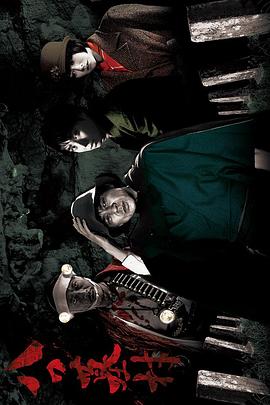
八墓村因为战国时代村民设计杀害了8个落魄武士而得名,大正年间还发生过田治见家主人杀害了32个村民的惨剧。一日,一个叫寺田辰弥的年轻人回到八墓村打算继承田治见家的家业,然后悲剧开始接连不断地上演,与他身世相关的多人遇害。在金田一抽丝剥茧,探寻辰弥身世谜团的时候,村民认为是冤魂作祟将辰弥赶进了一个巨大的钟乳石洞,而洞内隐藏了更大的秘密……
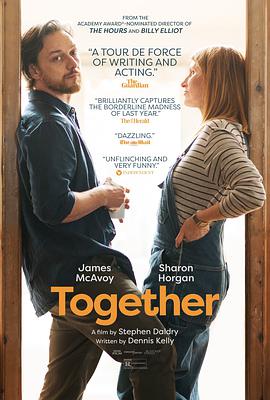
讲述一对因疫情封城而隔离在家的夫妻,开始重新审视自己以及两人的关系。
藥物成癮的凡妮莎與男友仰賴社福漏洞苟且偷生,白天推著破舊除草機逐戶敲門、騷擾乞錢,夜晚徘徊荒郊曠野,蟄居廢棄拖車。日復一日,兩人不是在醫院無賴討藥,就是在街上失神遊蕩。行屍走肉般的生活逐漸讓凡妮莎感到不安,發現懷孕後,她力圖振作,卻發現自己無法割捨早已放棄人生的萎靡男友。在感情與理性間搖擺不定的她,終將墮回萬劫不復的愛情煉獄,抑或能堅定擁抱新生的勇氣? 加拿大離島出身的新銳導演艾許莉麥坎錫,將家鄉沉迷藥癮、頹廢過活的失業青年群象,改編成現實羅曼史,描繪在絕望與無奈的漩渦中載浮載沉的邊緣悲歌。堅持草根視角,啟用在地演員,以大量貼身特寫手法,展現陰性影像書寫的特殊風格。
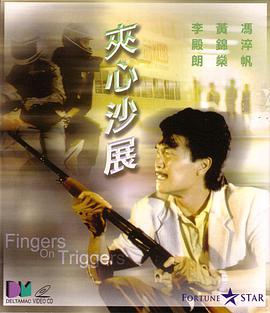
退休沙展范根(冯淬帆)与高级警察李国江(黄锦燊)本是同胞,后因一闪严重过失,范根代替李国江承担责任而遭革职之后,范在贤姐(李殿朗)的发型屋内任发型师,并得到贤姐芳心暗许,但可惜范根爱子身染重病每年需要换血费用甚巨,范为替其子彻底治病,秘密为黑帮首领洪驹(王伟)任杀手。
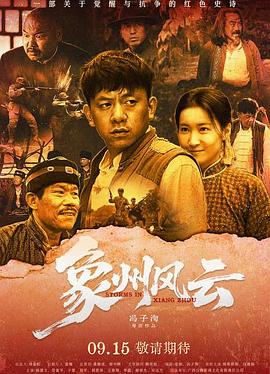
象州乱世,黑金交易肆虐。韦氏兄弟以“反征粮”为名,建立起地下灰色帝国,周旋于各方势力之间。暴力收租、黑市博弈、血色火并——这场打着革命旗号的权力游戏背后,是欲望与背叛的致命清算。当枪口对准自己人,谁才是最后的赢家?
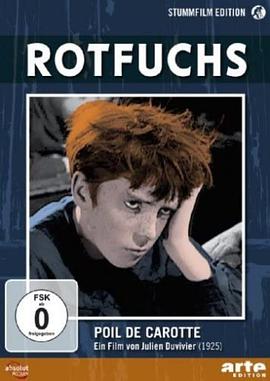
Summary Bullied by his matriarchal mother, abused by his siblings, ignored by his father, Poil de Carotte's childhood is as miserable as it could be. An illegitimate child, he is the main reason for the enmity which exists between his parents, who continue to live together just to keep up appearances. In the end, Poil de Carotte's suffering becomes more than he can bear... Review Drawing heavily on the poignant novel by Jules Renard on which it is based, Poil de carotte is a modest yet appealing film which has stood the test of time mainly because of the quality of its acting performances and its inherent humanity. It is more memorable than Julien Duvivier's earlier silent version of 1925, also named Poil de Carotte. The part of Poil de Carotte was played by 11 year old Robert Lynen, who was alleged to have been discovered whilst walking down the Champs-Elysées in Paris. Lynen is totally captivating and the film made him an instant star, launching what looked like becoming a very promising film career – until he was shot dead whilst fighting against the Germans in 1944. Harry Baur, a legendary stage and film actor (who also died during World War II, allegedly at the hands of the Gestapo), also turns in a typically fine performance. The reconciliation between father and son at the end of the film provides its most enduring image, enough to melt the heart of all but the most stoical of spectators.